Sepsis

Rapid detection of sepsis is vital.

Anesthetist Working In Operating Theatre Wearing Protecive Gear checking monitors while sedating patient before surgical procedure in hospital
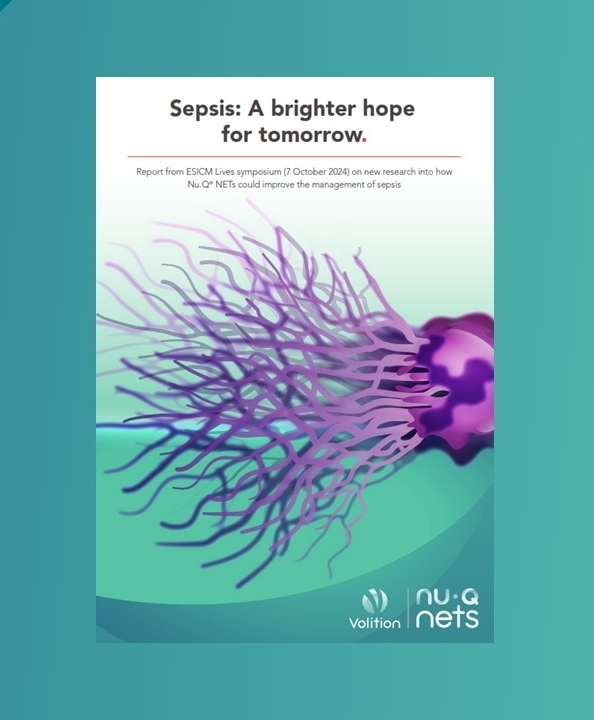
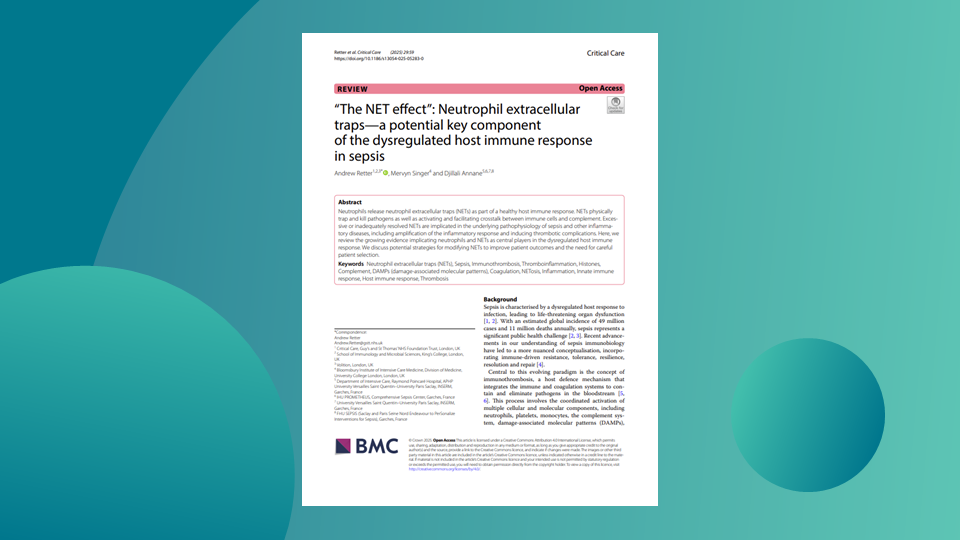
NETs on green sepsis background
Disease

Sepsis is the number one cause of death in hospitals worldwide.

Sepsis kills an estimated 21.4 million people a year, which is more than cancer or coronary disease. In 2021, there were an estimated 166 million cases, accounting for 31.5% of all global deaths. Over half of all cases occur among children, accounting for 2.9 million deaths in under-fives.

Approximately half of survivors are left with psychological and/or physical effects. They may struggle to remember everyday tasks, often no longer able to walk, dress, or bathe themselves without help.

Early detection and treatment of sepsis has the potential to improve survival – and improve the quality of life of survivors.

0 m

sepsis cases in 2021

0 m

deaths in 2021

0 m

sepsis deaths of children under five each year

0 %

of all global deaths in 2021

Challenges

Sepsis can be hard to spot early; it is a syndrome with many faces and many of its symptoms mimic those of other conditions.

There is currently a lack of biomarkers to diagnose sepsis symptomatically. Without prompt treatment, it can lead to multiple organ failure and death. Once sepsis is diagnosed, existing treatments – antibiotics, plus supportive therapies such as ventilation, IV fluids and vasopressors – are often not enough.

The risk of death from sepsis increases by 7.6% for each hour of delay in appropriate antibiotic therapy.

Sepsis is costly; the average hospital-wide cost of sepsis was estimated to be more than US $32 000 per patient in high-income countries

Our Solution

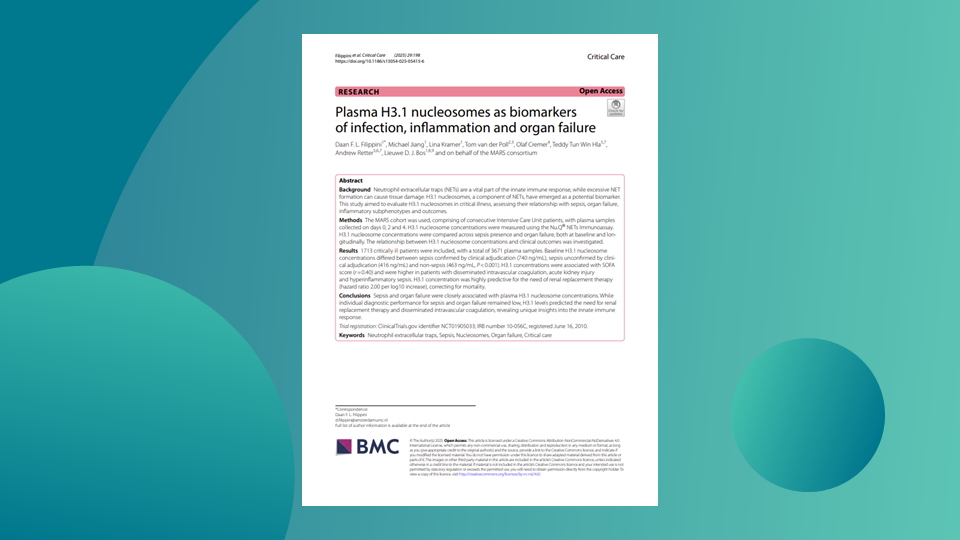
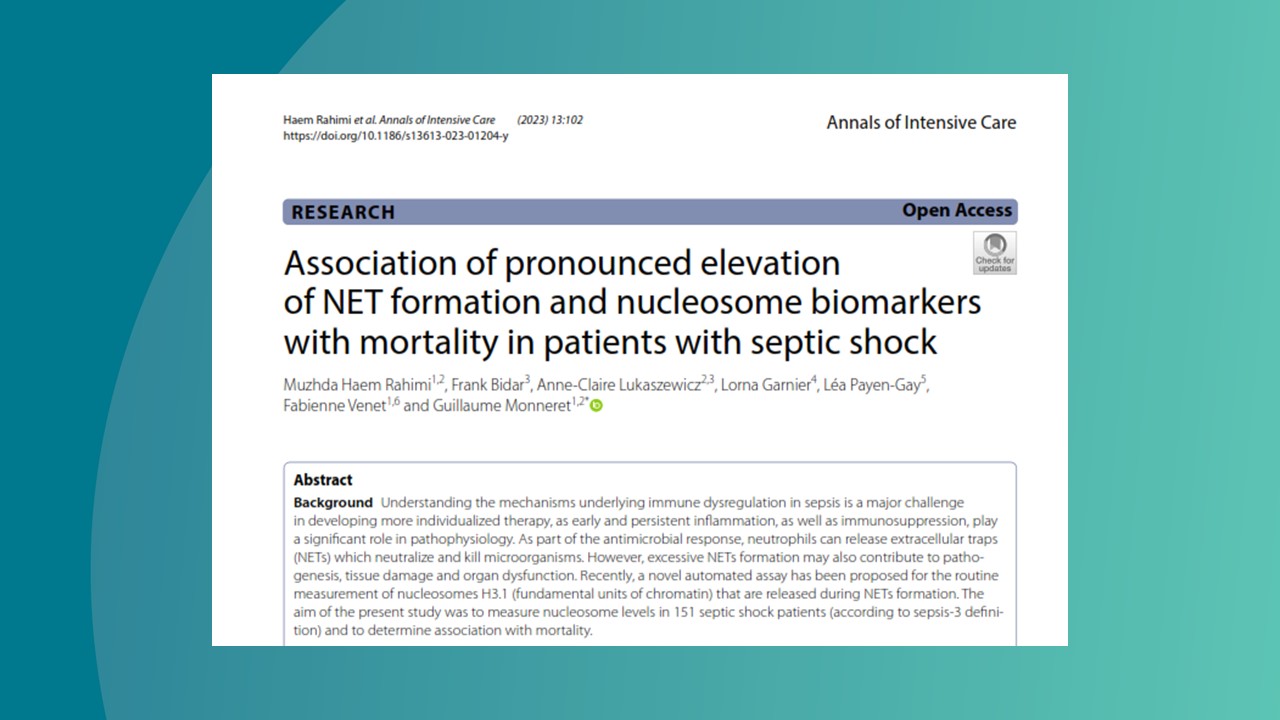
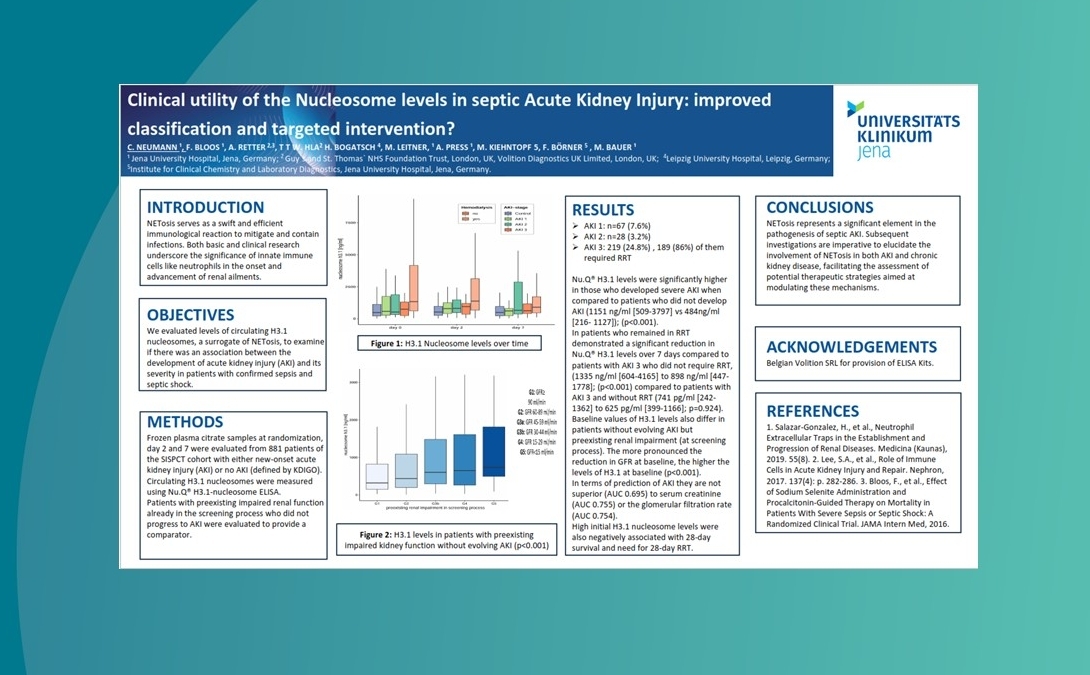
Our Nu.Q® NETs assay detects diseases associated with NETosis, such as sepsis.

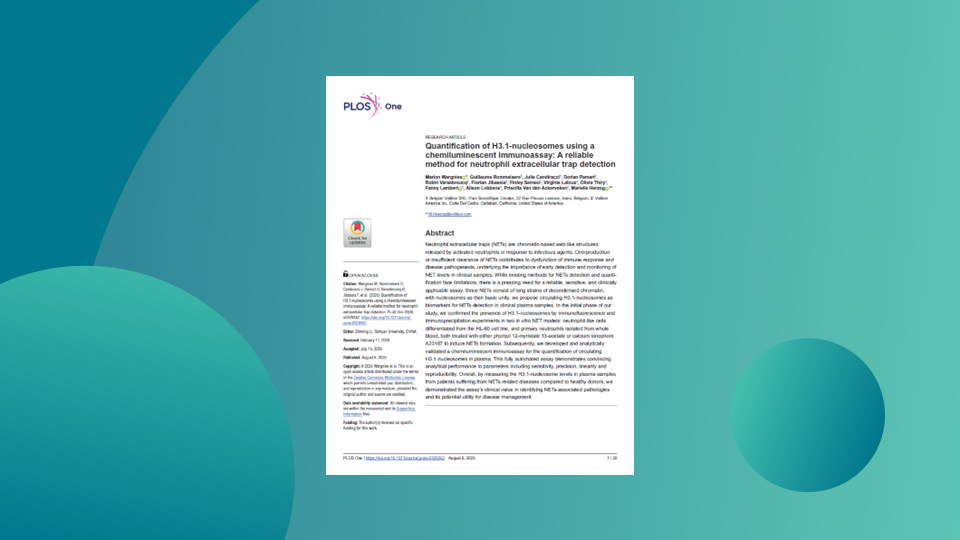
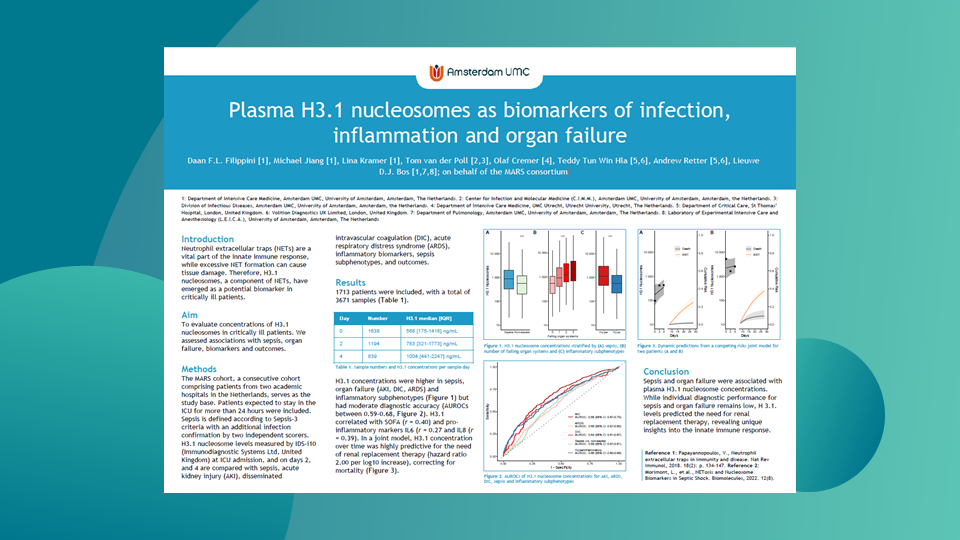
This simple, low-cost, accessible blood test quantifies an individual’s level of circulating H3.1 nucleosomes in the blood stream, a surrogate marker for Neutrophil Extracellular Traps (NETs).

Our biomarker has the potential to help doctors accurately diagnose disease and could also help predict disease severity, measure treatment response and monitor disease progression.

We are collaborating with centres of excellence worldwide to ensure Nu.Q® NETs can be introduced effectively into clinical settings in the emergency room, on the ward, and in intensive care.

Volition early diagnostics and treatment monitoring
icon-microscope-teal

Detect NETosis

Nu.Q® NETs is a groundbreaking CE-marked diagnostic solution that clinicians can use to detect NETosis.

icon-clock-teal

Act quickly

Nu.Q® NETs will support clinical decision-making, enabling physicians to act quickly, improving patient outcomes and patient management.

icon-computer-teal

Personalized medicine

Helps stratify risks and optimise therapy selection

Why is sepsis testing so important?

Sepsis is hard to identify, as early symptoms can be similar to other health conditions such as flu or a chest infection. Without prompt treatment, it can lead to multiple organ failure and death.

Becky Serieys, who provides marketing support at Volition, developed sepsis in 2018. She shared her remarkable story with us, as part of Sepsis Awareness Month 2024. Read Becky’s story and how to spot the signs of sepsis early.

NETs on green sepsis background

Talk to a specialist.

Please contact our expert team for more information about Nu.Q® NETs.

Volition