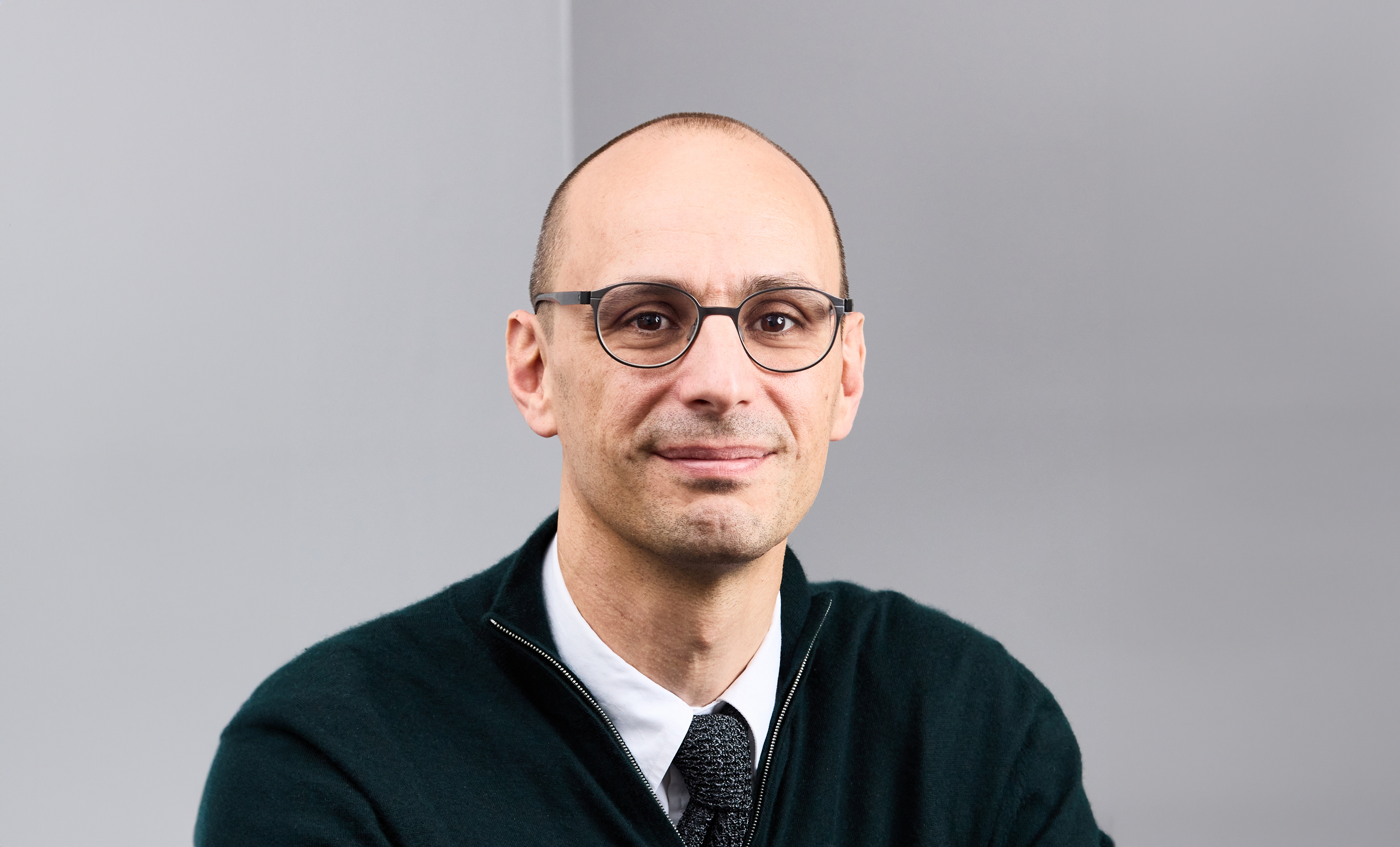
Intensive care is one of the most demanding and sometimes misunderstood areas of modern medicine. To shed light on how the field is evolving, and what the future may hold for intensive care, we sat down with our Chief Medical Officer and practicing consultant in intensive care, Dr. Andrew Retter, to hear his insights.
From pandemic pressures to the promise of AI, Dr. Retter offered us a view of a speciality that sits at the crossroads of technology, teamwork and human dignity.
A Young Specialty with a Steep Learning Curve
Despite being a relatively young speciality (only about 30 to 40 years old), “Intensive Care,” also known as “Critical Care”, has advanced rapidly, transforming how we manage critically ill patients.
“What fascinates me about intensive care is its newness. We’re still on a steep learning curve: we’re seeing an evolution of that process in every aspect of intensive care, how it’s organised, and how people maintain the sustainability of their careers, developing through new techniques,” explained Dr. Retter.
One of the most exciting areas of growth is in how we use and understand data. Modern intensive care units are data-rich environments, monitoring hundreds of variables at once. The ability to process and interpret this information in real time is revolutionizing care, guiding therapies, identifying trends and improving outcomes.
Diagnostics have also seen groundbreaking developments. Traditional blood cultures often fail to identify the source of infection. However, with new sequencing techniques, clinicians can pinpoint microorganisms faster and more accurately, which means faster, more accurate treatment and less unnecessary medication.
“Faster, more accurate diagnostics mean correct treatment earlier—and that avoids waste, reduces side effects and importantly helps save lives.”
What the public gets wrong
TV medical dramas, while entertaining, often do more harm than good when it comes to public expectations of critical care: “there’s a disconnect between what people see on TV and what really happens in intensive care. That gap matters.”
There is a need for greater transparency and education around what critical care can realistically achieve. It’s not just about survival—it’s about aligning treatment with a patient’s values. “It’s easy to do things. But is it what someone wants? Are we aligned with the patient’s goals? That’s the real challenge.”
COVID-19: teamwork under pressure
During the COVID-19 pandemic, Intensive Care Units (“ICUs”) were stretched to their limits—but also became examples of extraordinary teamwork and innovation: “I remain tremendously inspired and proud of how our team came together. Everyone flexed beyond their limits.”
Hospital leadership, clinical teams and support staff all collaborated to expand ICU capacity, secure supplies and redesign workflows. A colleague, who is a world expert in mechanical ventilation, led the development of new protocols that, Dr. Retter believes “saved many, many lives.”
The challenges
Running an ICU is not just emotionally and physically demanding—it is also resource-intensive. Financial pressures, staffing and system-wide bottlenecks all pose serious challenges.
“Intensive Care costs a lot of money. That doesn’t mean we penny-pinch—it means we have to spend wisely to keep innovating and delivering the best care.
New national guidelines like GPICS3 (Guidelines for the Provision of Intensive Care Services) offer a helpful framework. But beyond checklists and standards, there’s a broader societal challenge: how we support critical care within the wider systems.
“We need a real conversation about priorities. How do we move care into the community? How do we make hospitals more efficient while prioritising patients and what they want?”
Looking ahead: a data-driven future
Perhaps the most exciting frontier in Intensive Care lies in how we use data, and what artificial intelligence might offer.
From infusion pumps that talk to clinical systems to smart ventilators that adapt in real-time, the possibilities are immense. Even simple things like preventing a decimal error on a drug dose, can dramatically improve how we care for patients in ICUs.
Research is also progressing into understanding the immune system’s response to illness—a key factor in how patients fare. By diagnosing immune dysregulation earlier, treatments can be better targeted and outcomes can be improved.
“If we can identify the bug faster, we can use the right medicine sooner. That’s safer for the patient, and it’s smarter for the system.”
As Dr. Retter made clear, Intensive Care is about far more than machines and medicines. It’s about people, both the patients and the teams who care for them, and how we adapt, together, in an ever-changing medical landscape.
“We’ll never get everything right. But if we keep listening, keep learning and keep improving, we’ll keep getting better.”